P. Ernest Parker, Jr., is a leadership scholar, educator, and ethical thought leader with more than three decades of experience spanning public accounting, government finance, international consulting, and higher education. He holds a Doctor of Strategic Leadership from Regent University, where his research focused on ethics, servant leadership, and moral governance.
Dr. Parker has taught undergraduate and graduate courses in accounting, management, and leadership, and regularly delivers professional training on ethics, leadership development, and organizational effectiveness. His scholarly interests include behavioral ethics, emotional intelligence, women in leadership, diversity, equity, and inclusion, and ethical decision-making.
A licensed CPA in Virginia, Dr. Parker has served in senior leadership and partner roles within accounting and advisory firms. He is the author of Ethics: What Leadership Ought to Be and Why Your Next CEO Should Be a Woman. He resides in Maryland with his wife, Fatu.
P. Ernest Parker, Jr., is a leadership scholar, educator, and ethical thought leader with more than three decades of experience spanning public accounting, government finance, international consulting, and higher education. He holds a Doctor of Strategic Leadership from Regent University, where his research focused on ethics, servant leadership, and moral governance.
Dr. Parker has taught undergraduate and graduate courses in accounting,...
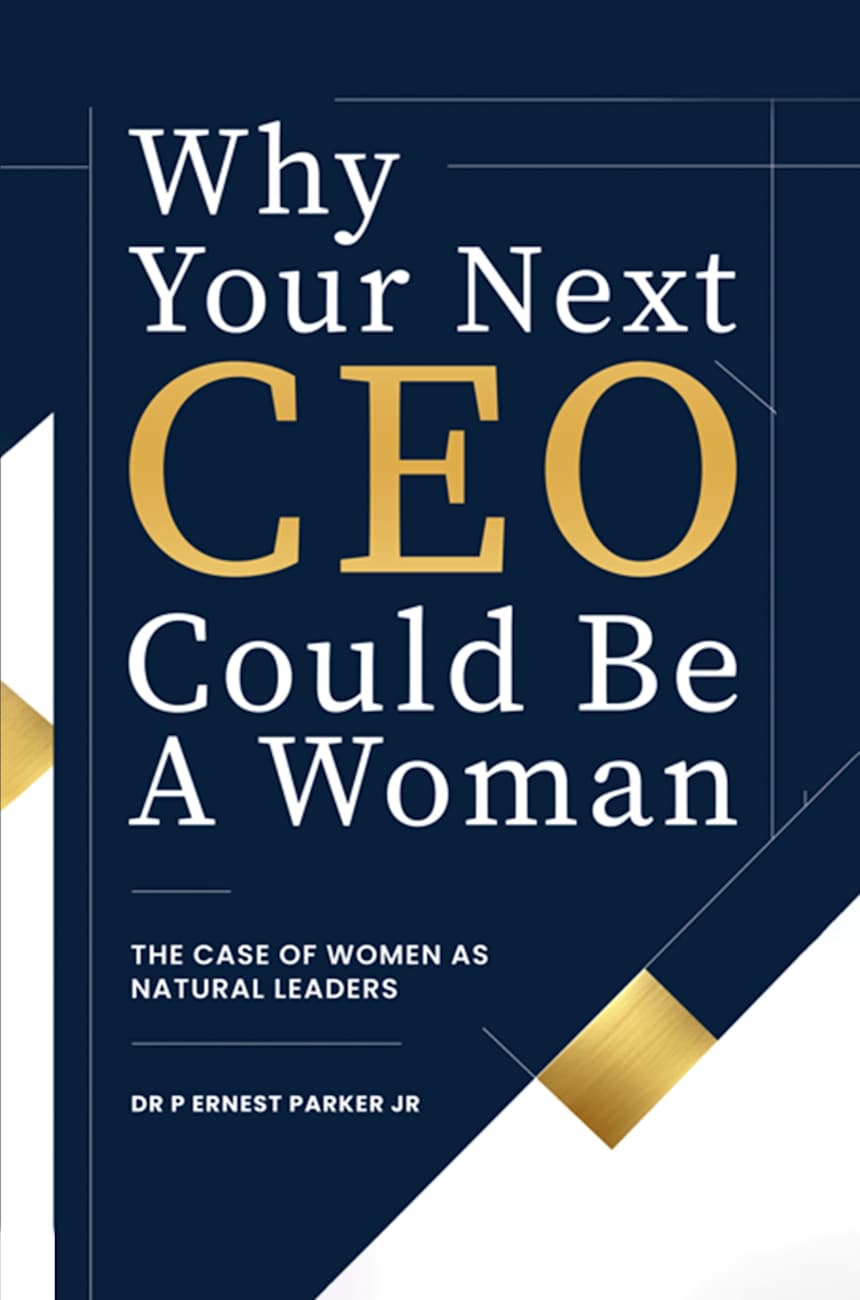
In Why Your Next CEO Could Be a Woman, Dr P Ernest Parker Jr, invites us to rethink what leadership looks like in today’s world. Drawing on years of experience and thoughtful research, Parker shows how the qualities women naturally bring-empathy, collaboration, adaptability, and emotional intelligence-aren’t just “nice to have” in leadership;...
In Why Your Next CEO Could Be a Woman, Dr P Ernest Parker Jr, invites us to rethink what leadership looks like in today’s world. Drawing on years of experience and thoughtful research, Parker shows how the qualities women naturally bring-empathy, collaboration, adaptability, and emotional intelligence-aren’t just “nice to have” in leadership;...
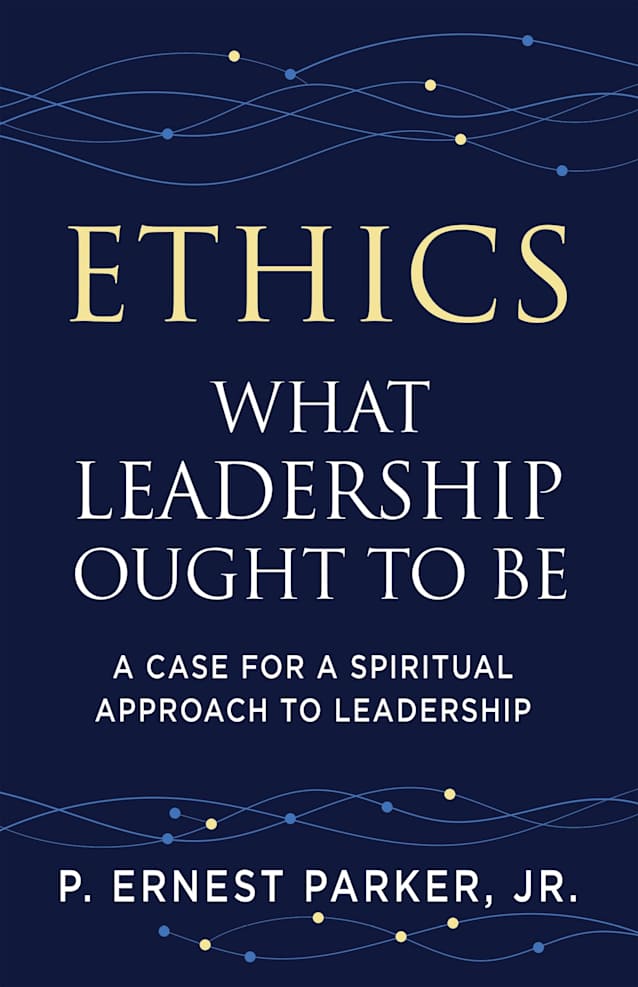
Today, the need for ethical leadership has never been greater—especially as moral issues become increasingly complex. Ethics, What Leadership Ought to Be is a comprehensive exploration of how leaders can embrace ethical principles that, though often unwritten, are crucial for sustaining trust and integrity.